Product Selector

Find your model
in three taps

Pick the fuel and the tank size. You get the model, where it is used and what owners measured.

  1. 20 LG-Ball
  2. 60 LG10A
  3. 100 LG10
  4. 200 LD20
  5. 500 LD50
  6. 10,000 LMFS-T10000

A model for every tank, from 20 to 10,000 liters

1What fuel does it use?

All models

Or read it off the chart

Tap a model and the selector above shows its card.

Gasoline

A delivery rider on a scooter in city trafficUp to 20 LMotorcycles, scooters & small engines
G-BallFuel Enhancer
A family next to their white carUp to 60 LCompact cars & portable generators
G10AFuel Enhancer
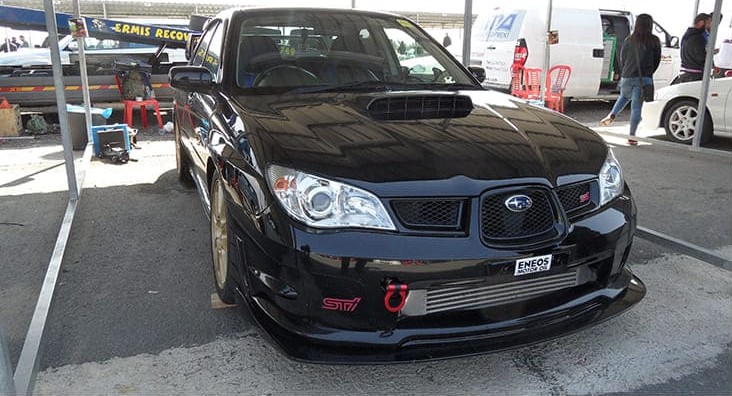
A Subaru Impreza STI on race day in CyprusUp to 100 LSedans, SUVs & taxis
G10Fuel EnhancerG11+ Air Refiner

Diesel

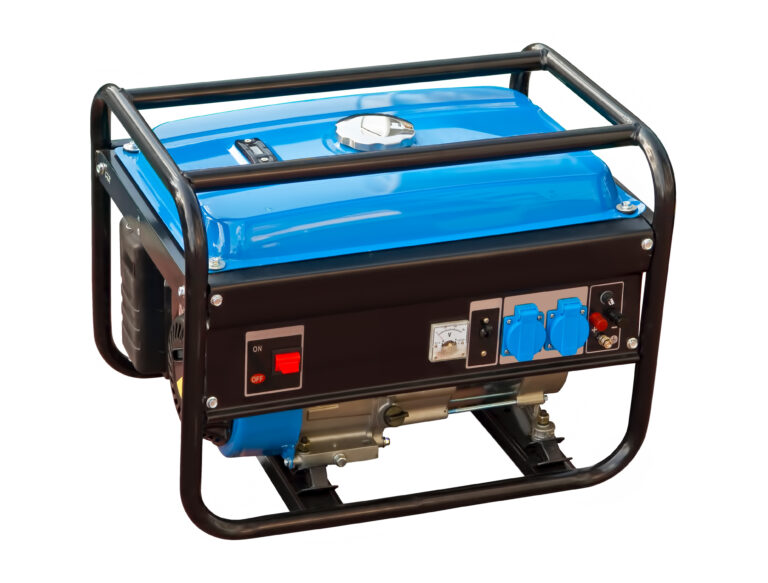
A portable generatorUp to 20 LSmall engines, pumps & small generators
D-BallFuel Enhancer
An SUV on a winding roadUp to 100 LPickups, SUVs, vans & generators
D10Fuel EnhancerD11+ Air Refiner
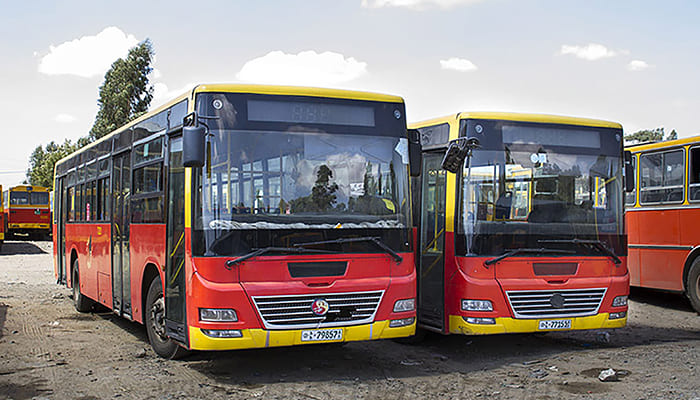
City buses of a public operatorUp to 200 L, or 2 × 100 LTwin-tank trucks, buses & machinery
D20Fuel EnhancerD21+ Air Refiner
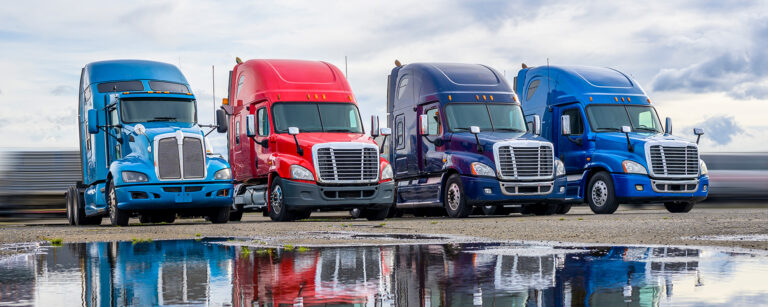
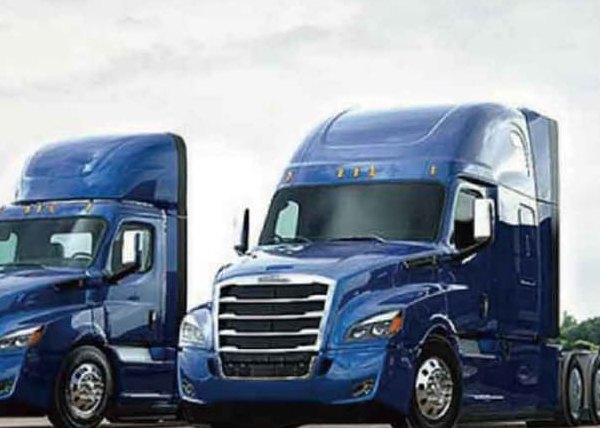
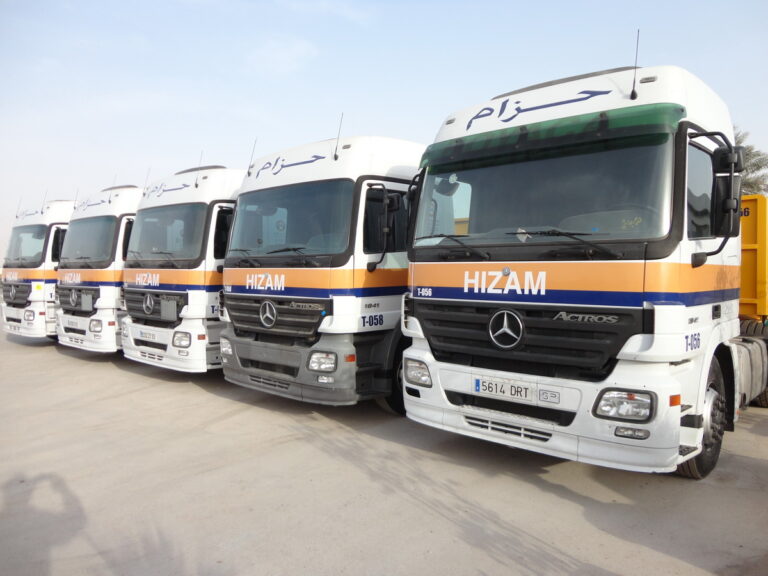
Two heavy trucks side by sideUp to 500 LHeavy trucks, coaches & big machines
D50Fuel EnhancerD51+ Air Refiner

LPG / CNG

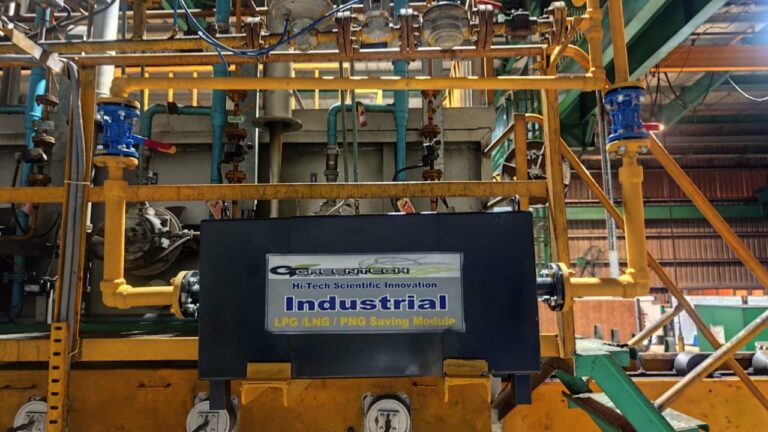
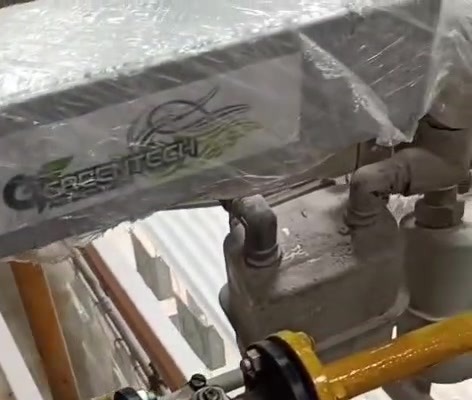
A Greentech gas module inside a boiler burner cabinetOn the gas lineFactory burners & gas vehicles
Industrial Gas Saving ModuleGas line

Boats & ships

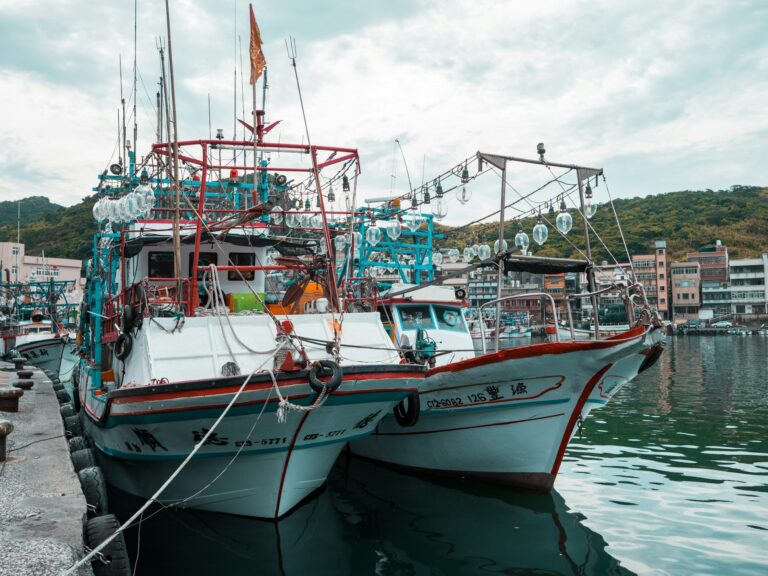
Fishing boats moored in a Taiwan harborTanks up to 500 LFishing boats & workboats
D50Fuel Enhancer
A cargo ship at seaOne per 10,000 L · under that, D50 per 500 LCargo ships, ferries, tugs & fishing boats
Greentech Marine Fuel SaverMarine
Customers

What they picked, and what they measured

Every card opens the owner's original document.

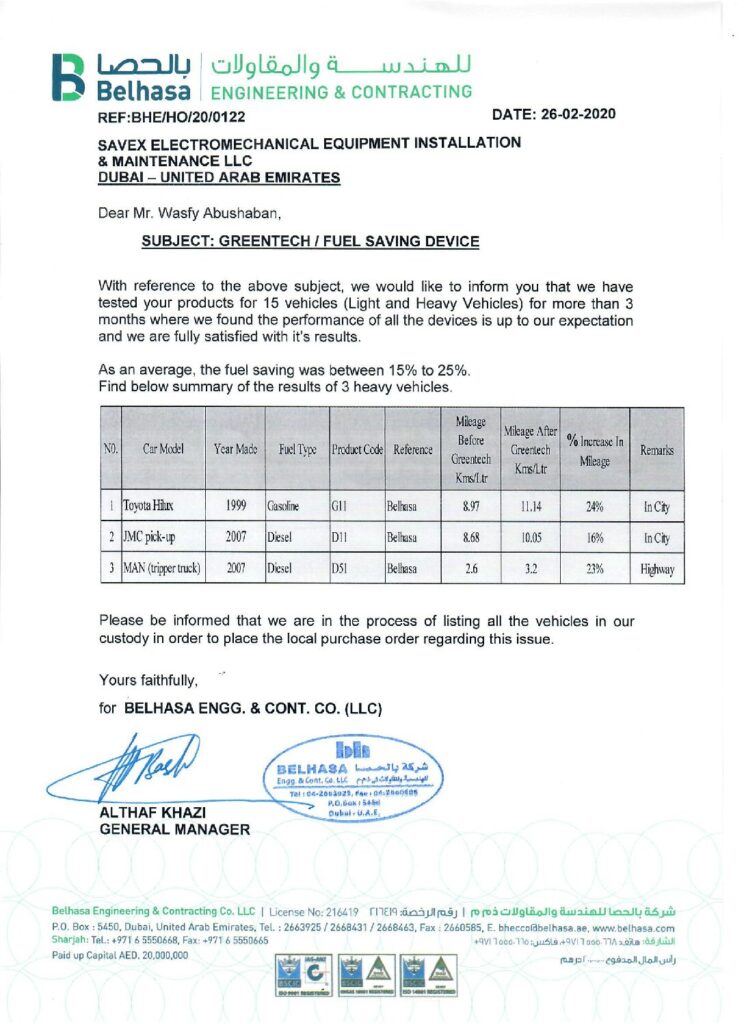
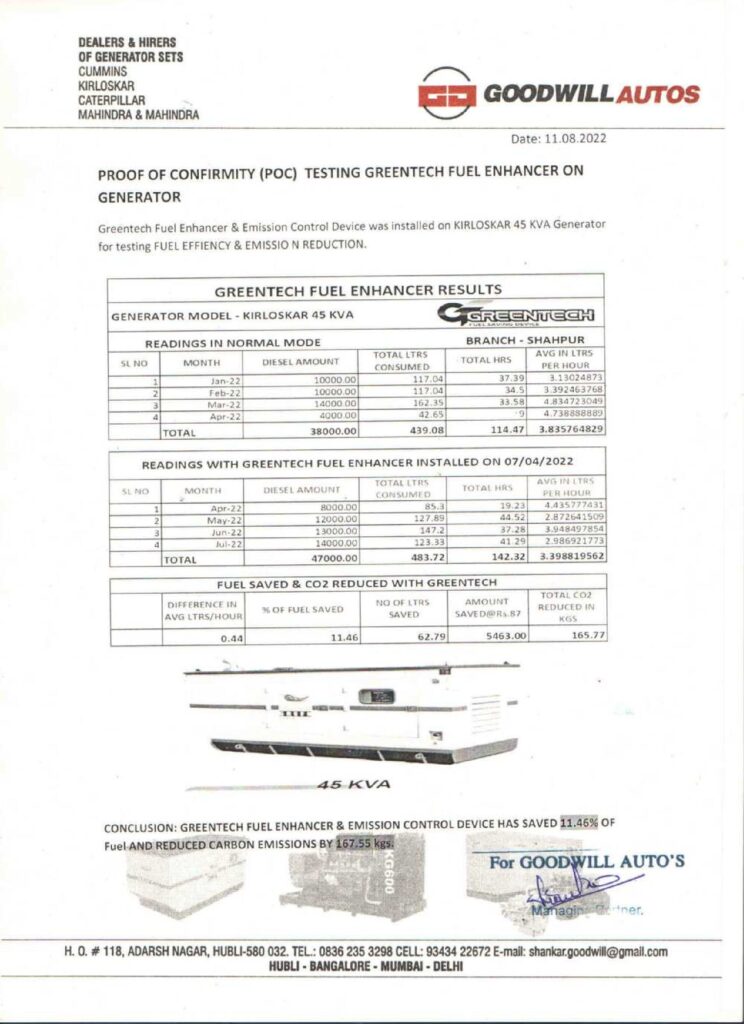
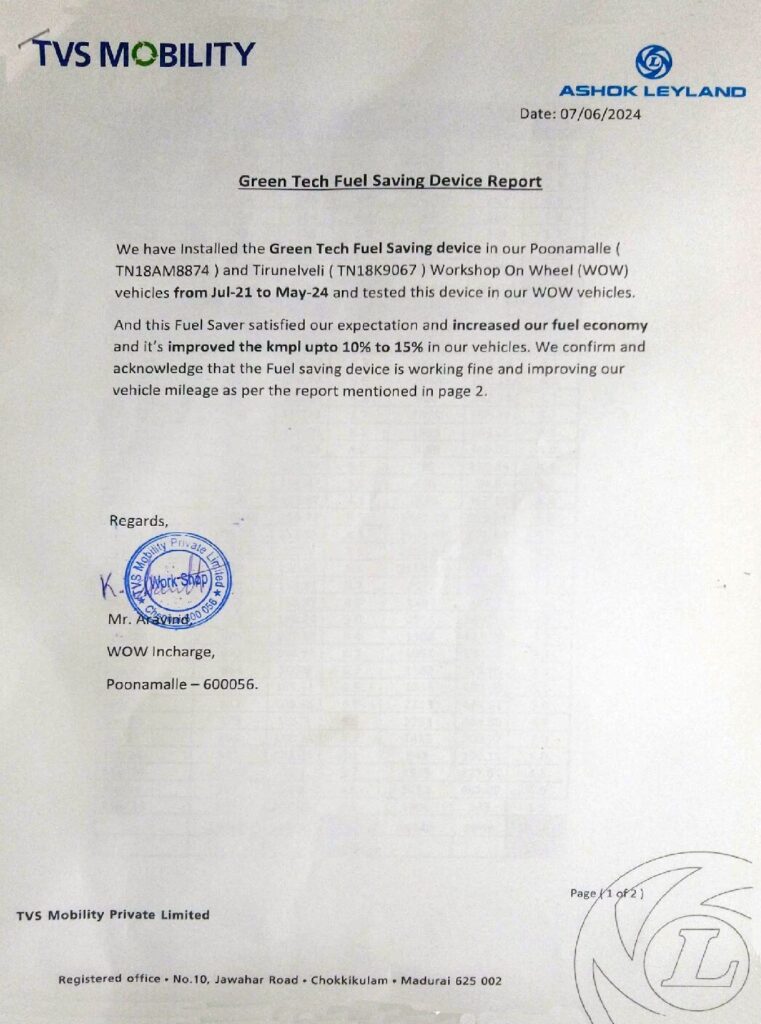
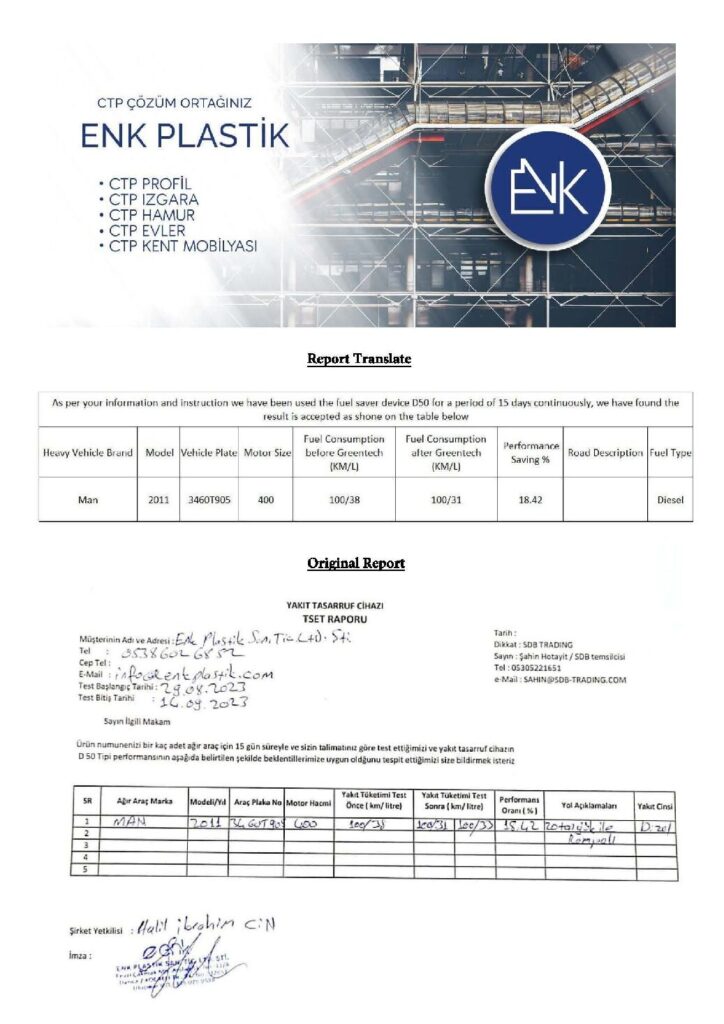
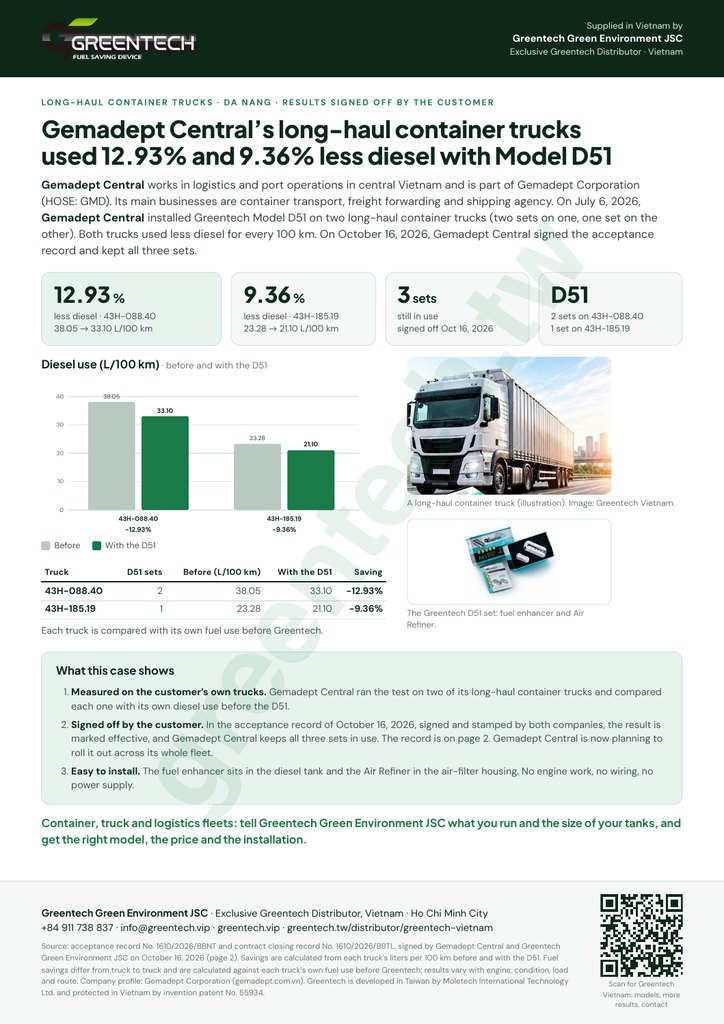
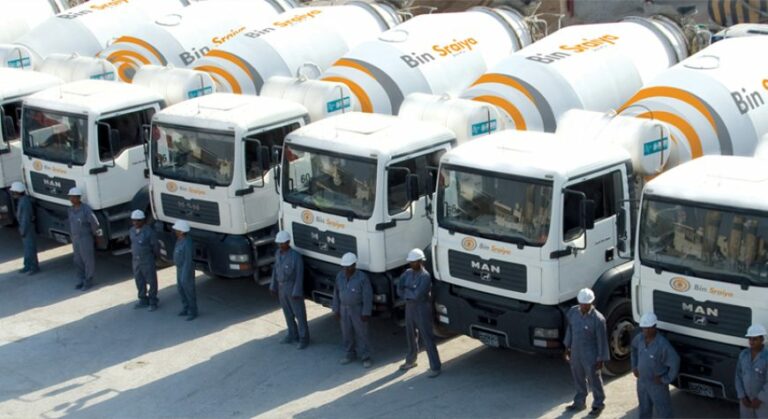
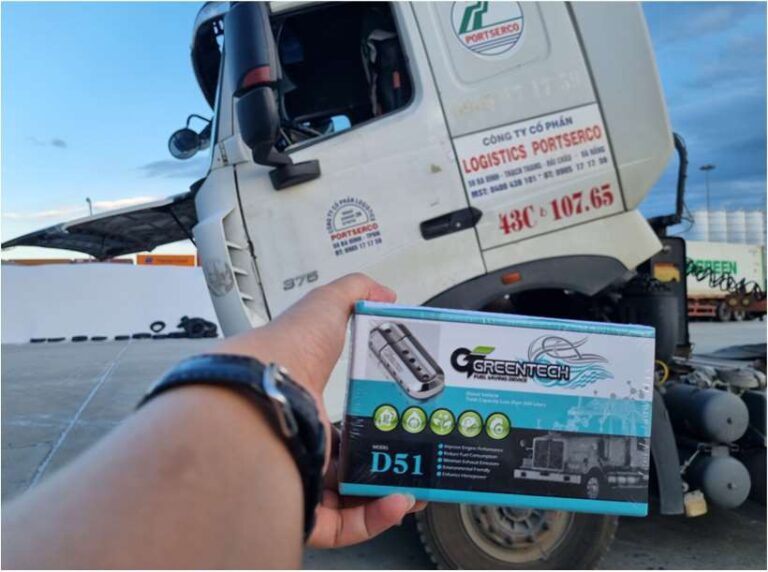
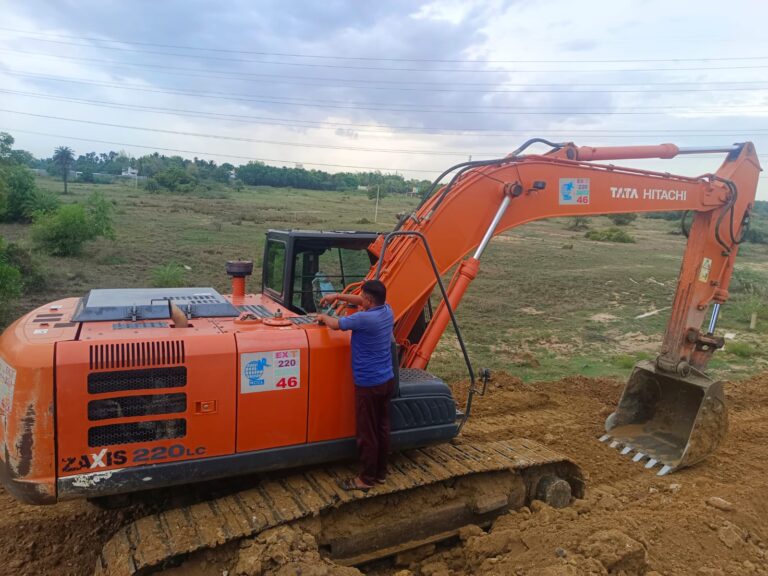
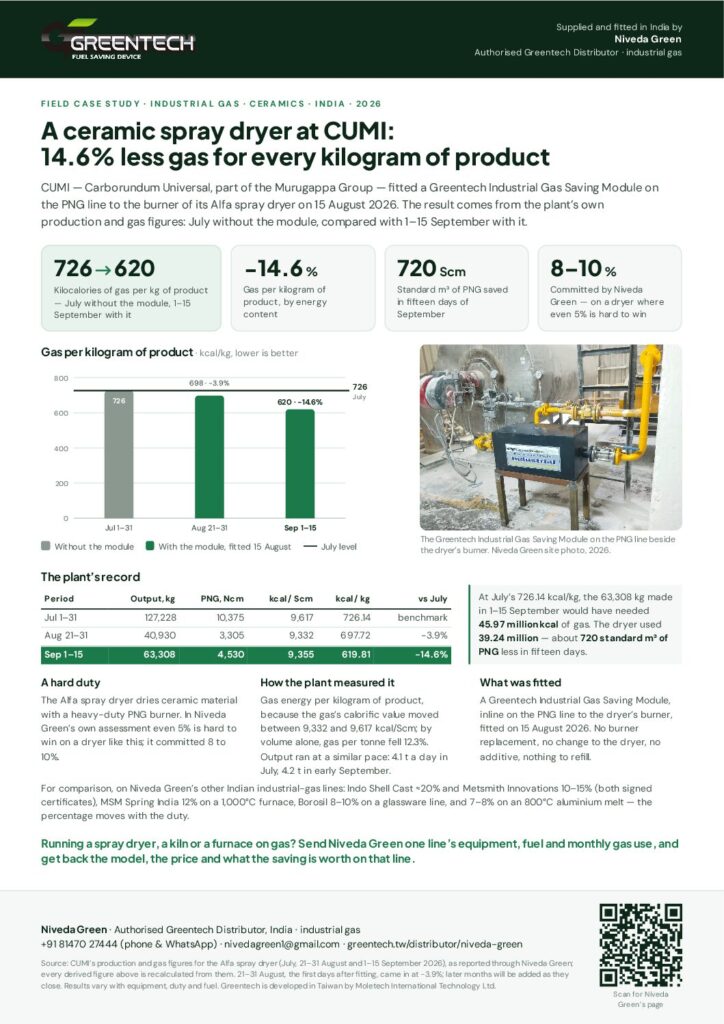
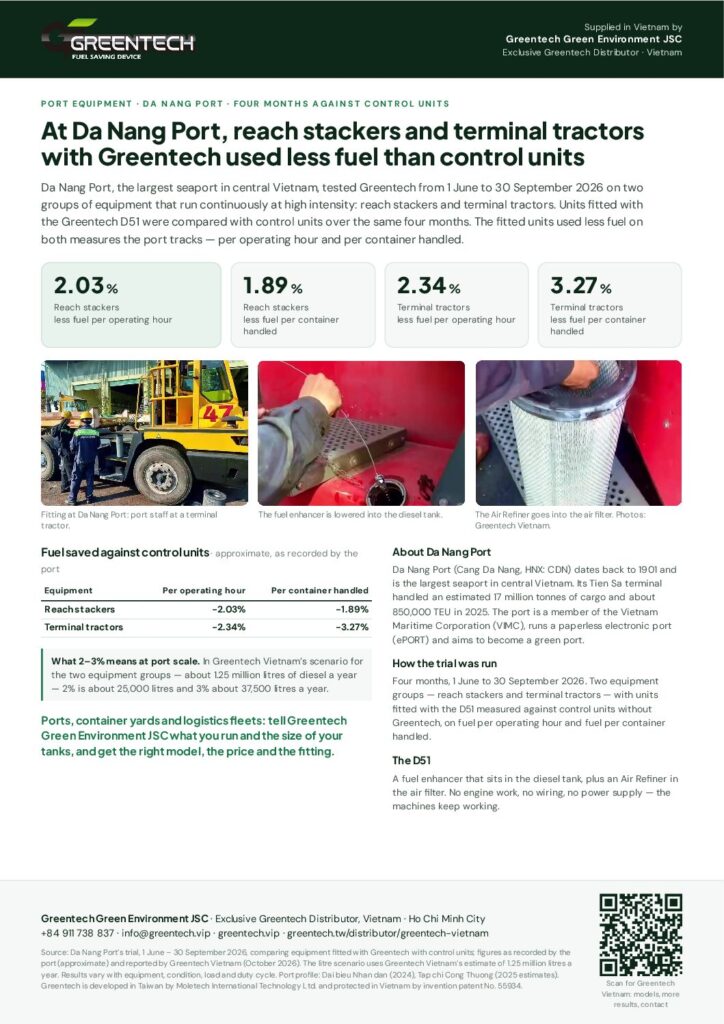
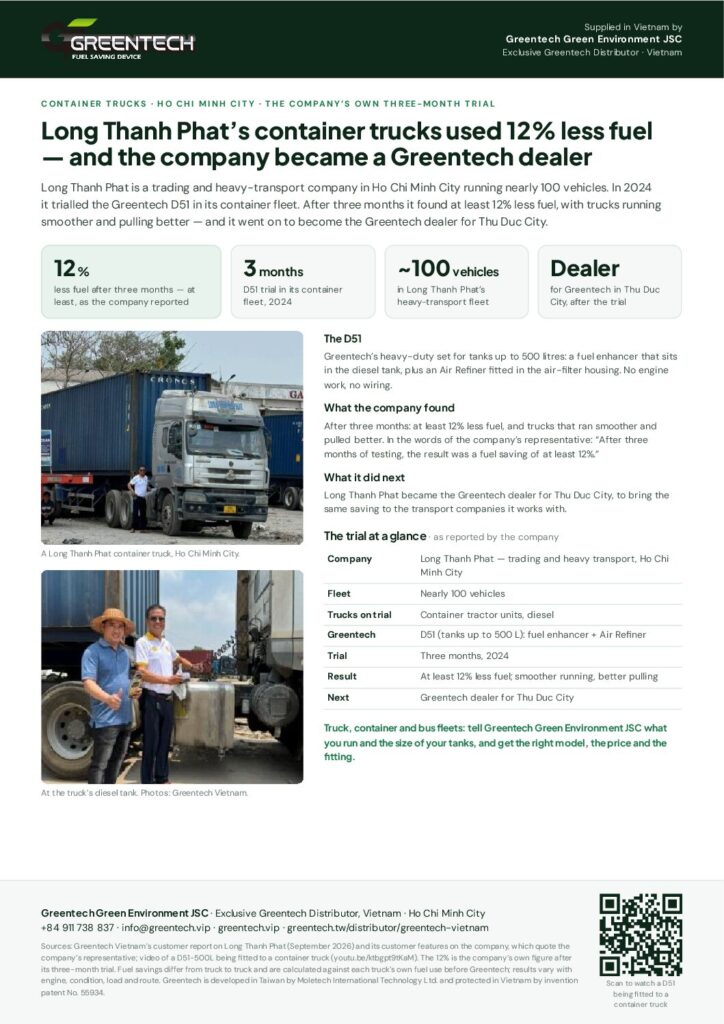
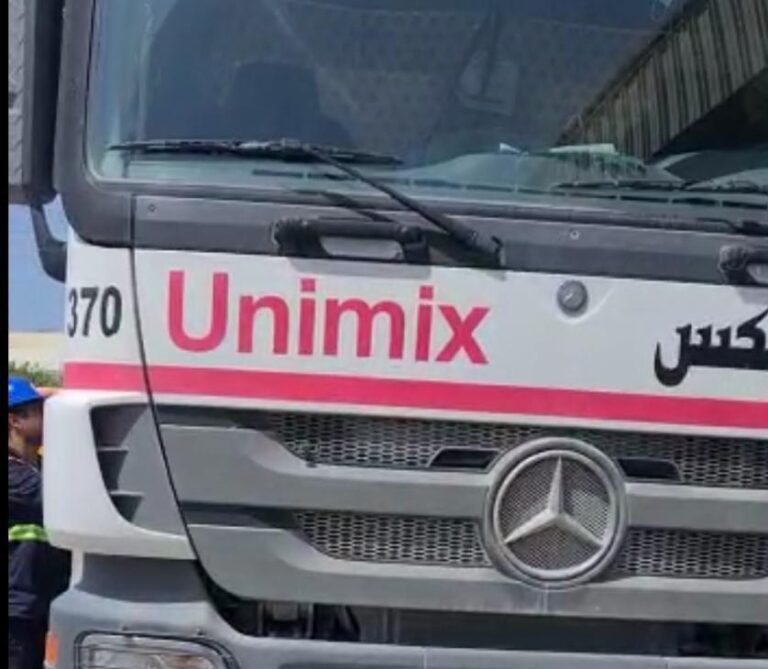
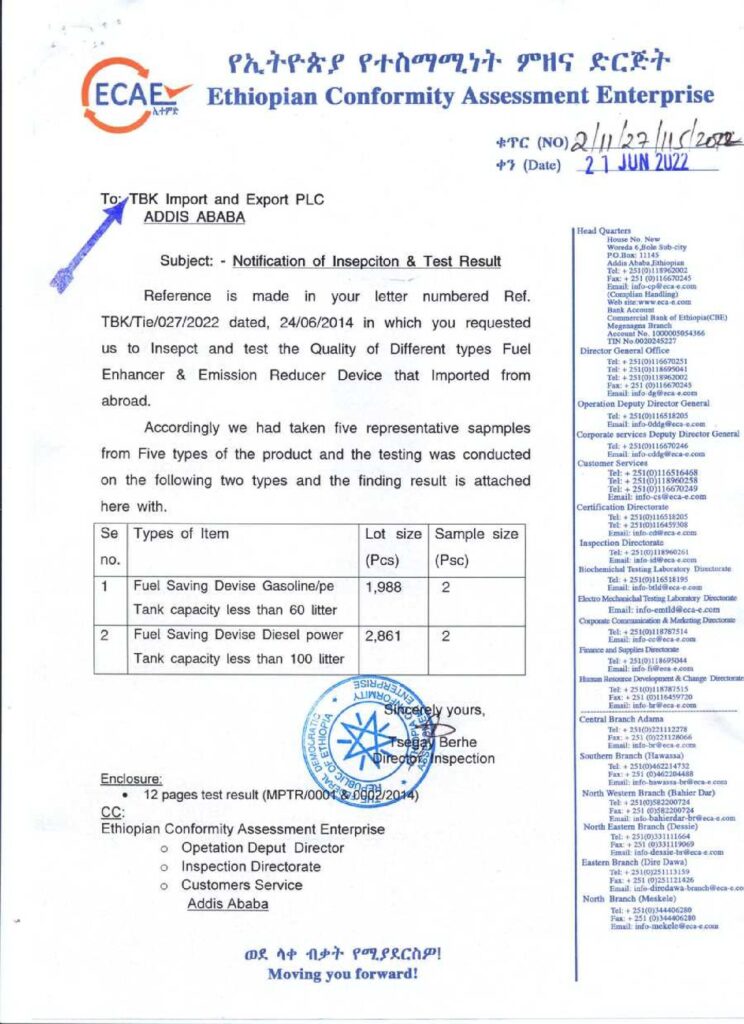
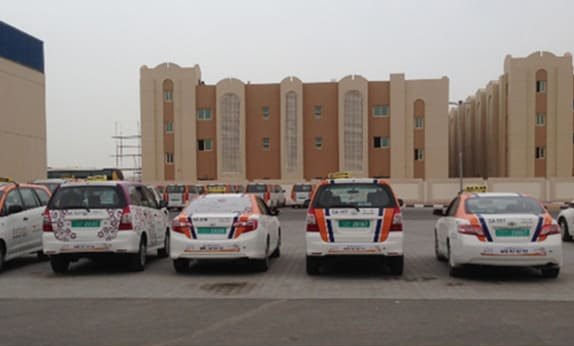
Grab riders in Ho Chi Minh City holding Greentech units🇻🇳Vietnam · Grab ridersMotorcycles−9.5%fuel, average of 20 motorbikes, each measured before and afterOriginal document →First page of the ECAE test report🇪🇹Ethiopia · ECAE government testG10A−18%fuel per km on a Suzuki Dzire: 20.74 → 25.28 km per literOriginal document →First page of the signed Belhasa letter🇦🇪UAE · Belhasa EngineeringG11+24%km per liter, gasoline Toyota Hilux: 8.97 → 11.14Original document →City buses in Addis Ababa🇪🇹Ethiopia · Anbessa City BusCity bus−8.89%diesel per km on city bus 8407, from the operator's refueling recordsOriginal document →The signed Vela Blue Metal certificate🇮🇳India · Vela Blue MetalD21−15.8%diesel per hour on a wheel loader: 9.5 → 8.0 litersOriginal document →A Yalçın Nakliyat truck🇹🇷Türkiye · Yalçın NakliyatD50−12 to −14%diesel on two trucks: IVECO 35 → 30, BMC 31 → 27.2 L/100 kmOriginal document →The Bin Sraiya Readymix Concrete fleet in Doha🇶🇦Qatar · Bin Sraiya ReadymixD51−25%diesel per km on the highway, a 2016 Mercedes: 2.6 → 3.5 km per literOriginal document →A Greentech D51 box in front of a Logistics Portserco truck in Da Nang🇻🇳Vietnam · Logistics PortsercoD51−6.9%diesel on a GPS-tracked city truck: 44.2 → 41.1 L/100 kmOriginal document →First page of the Gemadept Central case study🇻🇳Vietnam · Gemadept CentralD51−13.0%diesel on a long-haul container truck: 38.05 → 33.10 L/100 kmOriginal document →First page of the Da Nang Port case study🇻🇳Vietnam · Da Nang PortD51−1.89 to −3.27%fuel against control units on reach stackers and terminal tractorsOriginal document →The signed CET letter🇶🇦Qatar · Confidence Equipment & TransportationD50+22.5%km per liter, average of six trucks; every truck improvedOriginal document →First page of the Long Thanh Phat case study🇻🇳Vietnam · Long Thành PhátD51−12%fuel, at least, on container trucks after a three-month trialOriginal document →A Greentech gas module at MSM Spring India🇮🇳India · MSM SpringGas module−12%gas on a 1,000 °C spring-hardening furnace, reported by the plantOriginal document →30 named fleets, plants and agenciesin 8 countries, each with the original documentSee every case →

Each vehicle is measured against its own original fuel use, so the percentage differs from vehicle to vehicle. Results vary with engine condition, load and route.
Installation

How each kind is installed

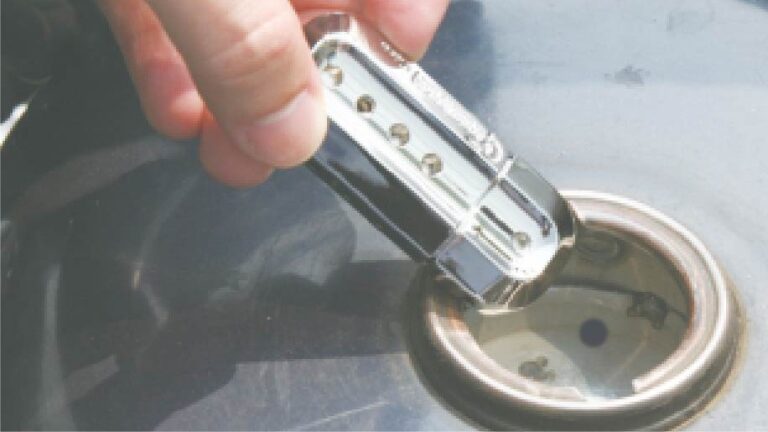
Dropping a Greentech fuel enhancer into a fuel tankMotorcycles, scooters & small enginesOpen the cap and drop it in. You can do it yourself.
A mechanic at work in a car repair shopPassenger cars, gasoline or dieselAt a repair shop: the tank is drained, then the enhancer goes in through the fuel-pump opening or the filler-pipe joint. Ask for the labor cost first.
Two heavy trucks side by sideTrucks, buses & machinesAt the next refuel, one per tank. Tanks with baffles: positioned by an installer.
A Greentech module on the gas train of a burnerGas lines & shipsTrained installers. Ships: after a pre-installation survey and a check with the engine maker.

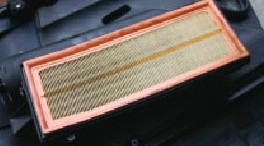
Complete sets (models ending in 1): the Air Refiner goes in the air-filter housing, in four steps.

Open the air filter housing
1Open the air filter housing
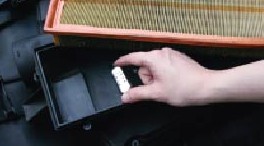
Place it on the intake side, before the filter
2Place it on the intake side, before the filter
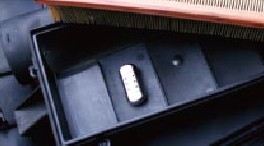
Find a secure spot
3Find a secure spot
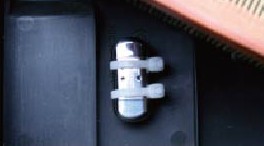
Secure it with the supplied cable ties
4Secure it with the supplied cable ties

Questions

My tank is between two sizes. Which model?

Take the first size that covers your tank: a 70-liter tank takes a model rated up to 100 L.

My truck has two or three tanks.

One enhancer per tank. Two tanks of about 100 L: the D20 or D21, with two enhancers in the pack. Tanks up to 500 L each: one D50 or D51 per tank.

Single unit or complete set?

Complete sets, the models ending in 1 (G11, D11, D21, D51), add an Air Refiner to the fuel enhancer. It sits in the air filter housing, on the intake side before the filter, so the fuel side and the air side are treated together.

Blister pack or gift box: what changes?

Only the packaging. The enhancer inside is the same. Single units come in a blister pack, the G10 and D10 also in a gift box, and complete sets in a gift box only.

How is it installed?

Motorcycles, scooters, generators and small engines: drop it into the tank yourself. Passenger cars, gasoline or diesel: at a repair shop, which drains the tank and places the enhancer through the fuel-pump opening or where the filler pipe joins the tank; ask the shop for the labor cost first. Trucks and machines: at the next refuel, one per tank; tanks with baffles are positioned by an installer. Gas lines and ships: trained installers.

How much will we save?

Documented results run from 5% to 25% less fuel. Each vehicle is measured against its own original fuel use, so the percentage differs from vehicle to vehicle. Results vary with engine condition, load and route. Customer case studies →

We run a mixed fleet or a whole plant.

Send us the vehicle types, how many and the tank sizes, and we match a model to every tank and quote. In some countries a local distributor serves you directly. Get a fleet quote →

Running a fleet or a plant?

Send us your vehicles or burners and the tank sizes. We match a model to every tank and quote.

Or find your local distributor →
EN|中文